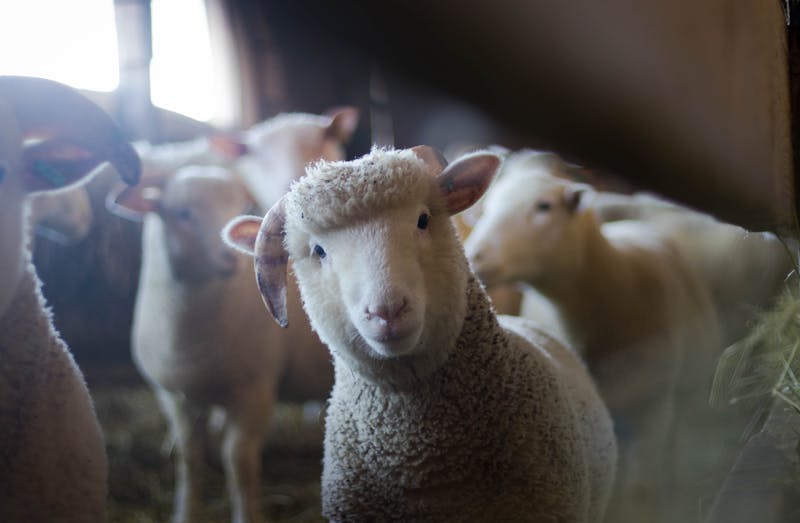
A study of the evolving role of sheepdogs and guardian dogs in maintaining social and economic stability within agricultural communities facing change.
Examining how animals are integrated into public ceremonies and rituals that reinforce social bonds and collective identity during times of uncertainty.
Emergency Animal Clinics – Human–Animal Relations in Crisis Contexts
April 15, 2024By Dr. Luella Nikolaus IV
This article explores the intricate and often overlooked dynamics between humans and animals during periods of societal and environmental crisis. Throughout history, these relationships have been tested, redefined, and have revealed profound cultural attitudes towards responsibility and coexistence.
Animals have shared our urban spaces for centuries, their roles shifting with societal needs.
The Urban Animal in Times of Stress
In cities under siege, during economic collapses, or amidst natural disasters, the fate of domestic and companion animals becomes a stark indicator of a community's values. Historical records from various epochs show a spectrum of responses—from abandonment to intensified protective measures, reflecting deeper cultural narratives about utility, sentiment, and moral duty.
Rural Communities and Working Animals
In agricultural and rural settings, crises such as famine, war, or pestilence force a renegotiation of the human-animal working contract. The line between asset and burden becomes blurred. This section analyzes primary sources that document decisions made about livestock and draft animals, highlighting the economic and ethical calculations of survival.
"The treatment of animals in crisis is not a sidebar to history; it is a direct reflection of the human capacity for empathy and pragmatism under duress."
Cultural Representations of Protection
Art, literature, and legal frameworks from different cultures offer a window into idealized and practiced forms of animal protection during hard times. From folk tales featuring animal guardians to municipal ordinances established during plagues, these representations shape and are shaped by the real-world interactions they seek to govern or describe.
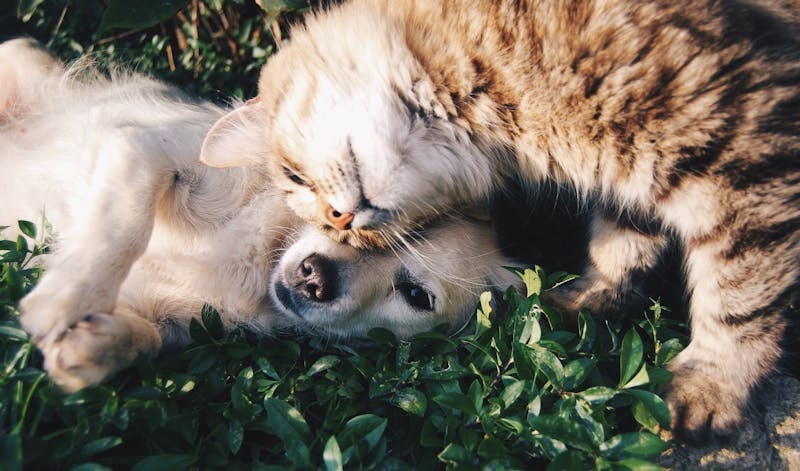
A moment of connection that transcends the immediate crisis.
Conclusion: Responsibility as a Historical Lens
Studying human-animal relations in crisis contexts moves beyond anecdote. It provides a rigorous framework for cultural-historical analysis, asking fundamental questions about dependency, responsibility, and the boundaries of community. The "Emergency Animal Clinics" project continues to catalog these instances, building a repository for understanding not just our past, but the foundations of our present societal attitudes.
This website uses cookies to enhance your browsing experience and analyze site traffic. By continuing to use our site, you consent to our use of cookies as described in our policy. You can manage your preferences at any time.