Urban Canaries: Animals as Sentinels in Industrial Cities
The dense fog of 19th-century London, immortalized in literature, was more than an atmospheric phenomenon; it was a crisis of air, life, and interspecies cohabitation. Within this murky landscape, the relationship between humans and animals took on a new, pragmatic dimension: animals became unwitting sentinels, their bodies and behaviors acting as early warning systems for environmental peril.
The Canary in the Coal Mine: A Literal Lifeline
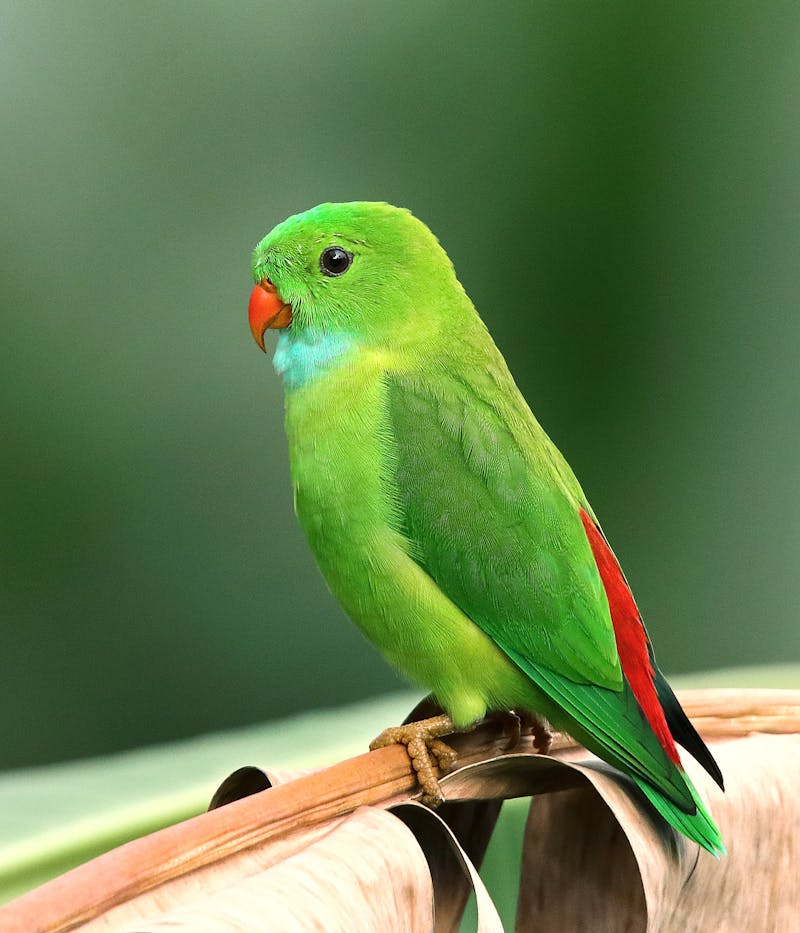
The most iconic example is, of course, the canary in the coal mine. From the late 1800s well into the 20th century, miners carried caged canaries underground. The bird's rapid metabolism made it acutely sensitive to toxic gases like carbon monoxide and methane. Its collapse or death was a non-negotiable signal for immediate evacuation. This practice formalized a brutal yet life-saving contract: the animal's vulnerability directly safeguarded human life. It was a relationship built on a stark understanding of biological frailty shared across species lines during industrial labor.
Horses and the Urban Pulse
Beyond mines, in the cities themselves, horses served as living barometers of urban stress. The health of a city's horse population—prone to respiratory diseases from poor air quality, lameness from hard pavement, and "overheating" in crowded traffic—was a direct reflection of the city's infrastructural and environmental health. Their suffering prompted early discussions about paved streets, traffic regulation, and even waste management, as their care and collapse had significant economic and logistical repercussions.
"The silent distress of the urban horse was a louder cry for civic reform than any pamphlet could be."
Pigeons, Parakeets, and Adaptive Coexistence
Other species adapted to become indicators in subtler ways. The proliferation of pigeons in European cities, often seen as a nuisance, was indirectly a sign of abundant human waste and grain storage practices. Conversely, the disappearance of certain bird species from city centers in the mid-20th century became a critical data point in the environmental movement, highlighting the impact of pesticides like DDT, famously documented in Rachel Carson's Silent Spring.
This historical lens reveals a complex narrative of responsibility. Humans observed animals not merely as companions or tools, but as embodied gauges of a shared environment in crisis. The "protection" offered was often transactional, aimed at preserving human safety and economic continuity. Yet, this very pragmatism forged a deeper, if unspoken, recognition of interdependence. The crisis context of industrialization forced a reading of animal life as a text detailing the costs of human progress.
Today, as we face new environmental crises, the role of animals as sentinels continues—from bees indicating ecosystem health to polar bears symbolizing climate change. Understanding this historical precedent reframes our contemporary responsibility: it is not about looking at animals in crisis, but learning to read the crisis through them, as we have been compelled to do for centuries.